


THE PARADIGM CHALLENGE PROJECTS


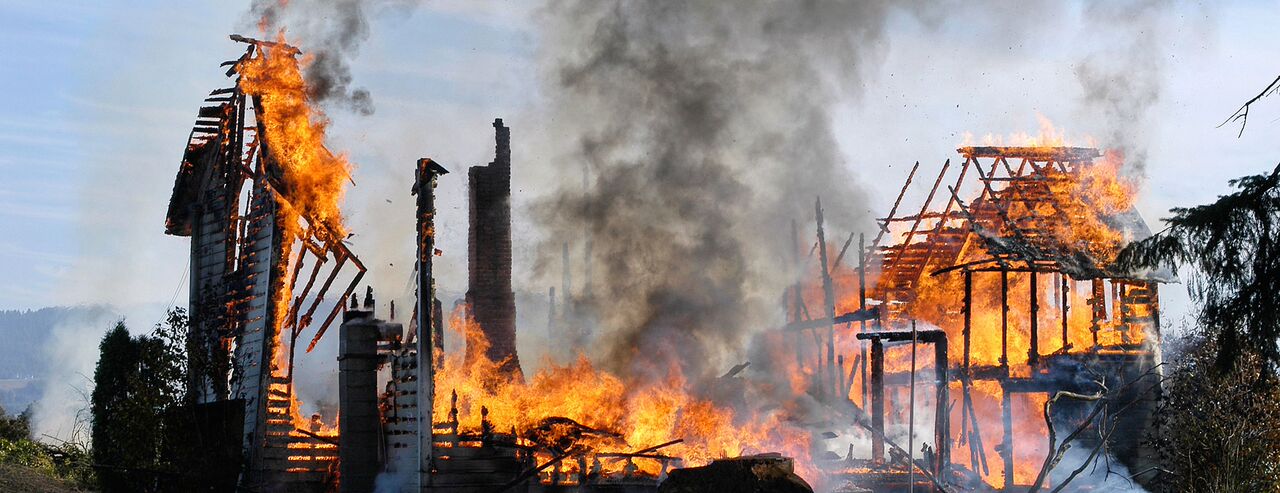
LEARN ABOUT HOME FIRES




LEARN ABOUT HOME FIRES



“The first step is to study the problem of home fires. To get started, review the eight leading causes of home fires and eight strategies to mitigate injuries and fatalities.”
“The first step is to study the problem of home fires. To get started, review the eight leading causes of home fires and eight strategies to mitigate injuries and fatalities.”
Co-Presenter Six-Steps To Solve Any Challenge
POSTERS
IMPORTANCE OF CAUSATION
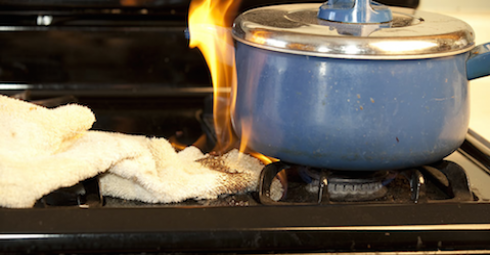
Causation is the relationship between a cause, such as careless cooking, and an effect, like a stove fire.

IMPORTANCE OF MITIGATION
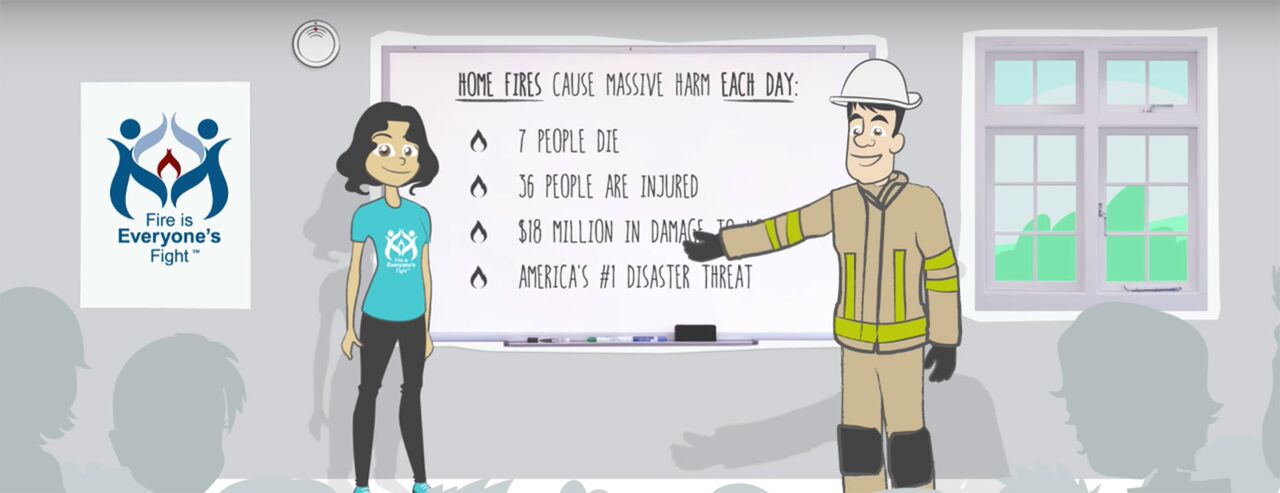
Mitigation is the effort to reduce loss of life and property by lessening the impact of a disaster, such as a home fire, America’s #1 disaster threat.
LEADING CAUSES OF HOME FIRES
Cooking is a fun way to showcase your creativity and love of food, but it also is the leading cause of home fires and home fire injuries. Unattended cooking is the primary culprit, and two-thirds of cooking fires start with the ignition of food or other cooking materials. More than half of injuries occur when people try to fight the fires themselves.
Heating provides much needed warmth during the winter months, but December and January have the highest number of home fires. The leading cause of heating fires is the failure to clean heating equipment. Space heaters, whether portable or stationary, cause 33% of home heating fires and 81% of home heating fire fatalities.
The intentional category refers to the deliberate misuse of a heat source or fire of an incendiary nature. Although three-quarters of intentional fires are started outside, they quickly spread to homes where most of the property damage and casualties occur. Statistics from the FBI show that more than half of people arrested for arson are under 21 years old. Social media trends like the fire challenge are especially dangerous and overwhelmingly affect youth.
Electricity keeps our homes lit and powers our electronics, but lighting, fans, air conditioning equipment, and water heaters commonly cause home fires. Roughly half of home electrical fires involve electrical distribution (i.e., cords) or lighting equipment.
The health risks associated with smoking are well known, but smoking is also the leading cause of home fire fatalities. Nearly half of the victims are age 65 or older. Approximately 25% of the victims were not even smoking the cigarette that caused the fire. Trash, mattresses, bedding, and upholstered furniture are the items most commonly ignited in smoking-related home fires.
Washers and dryers keep our clothes clean, but also can spark home fires. Dryers are involved in 92% of these fires and the leading cause is failure to clean the units. Dust, fiber, lint, or clothing ignites 57% of washer and dryer fires.
Exposure occurs when a nearby fire, like a wildfire, causes a home to catch fire. Prevention and preparedness are the best tools against exposure fires.
Candles are festive holiday decorations, but the number of candle fires triples in December. Roughly one-third of candle home fires start in a bedroom. Falling asleep accounts for 11% of candle fires and 43% of candle fire fatalities.
HOME FIRE MITIGATION EFFORTS
Prevention is the act or combination of actions to proactively keep something from happening. Fire prevention is a combination of efforts designed to stop fires from starting or spreading.
Detection is the action or process of identifying the presence of something concealed or unknown. Smoke alarms detect one or more of the products or phenomena resulting from fire, such as smoke, heat, infrared and/or ultraviolet light radiation, or gas.
Suppression is the process of impeding or stopping something. Fire suppression systems, such as fire sprinklers, extinguish or slow down the spread of fire by releasing water under pressure where heat is detected.
Protection is a person or thing that prevents someone or something from suffering harm or injury. Fire protection includes equipment, such as a flame retardant blanket, and design elements, such as a fire door, that reduces the spread of fire.
Preparedness is the state of being ready in the event of a disaster. Fire preparedness includes installing a smoke alarm in each room and on each level of a home, developing a fire escape plan and practicing it, as well as knowing two ways out of every room.
Education is the process of learning or teaching skills, values, beliefs, and habits. Fire education includes becoming aware of causes of home fires and how to prevent or reduce home fire injuries or fatalities.
Research is the systematic investigation into and study of materials and sources to establish facts and reach new conclusions. Fire research includes the review and analysis of the causes and contributing factors to home fires to raise awareness of the home fire problem.
Development includes the innovation, introduction, and improvement of products and processes. Many companies and product manufacturers are developing new and improved appliances to prevent home fires.



After you learn about America’s #1 disaster threat, check out current prevention, preparation, detection, and suppression efforts to reduce injuries and fatalities from home fires. To get you started, below are some examples of home fire videos, posters, inventions, messages, and websites.
After you learn about America’s #1 disaster threat, check out current prevention, preparation, detection, and suppression efforts to reduce injuries and fatalities from home fires. To get you started, below are some examples of home fire videos, posters, inventions, messages, and websites.
Co-Presenter Six Steps To Solve Any Challenge
VIDEOS

FIRE IS EVERYONE’S FIGHT™
"Fire is Everyone's Fight" is designed to unite the fire service and many others in a collaborative effort to reduce home fire injuries, deaths, and property loss.
GET LOW AND GO
This NFPA video explains how to escape a home during a fire by staying under the smoke.
HOW TO PREVENT A HOME FIRE
Learn about fire prevention and evacuation with these 8 tips from the American Red Cross.
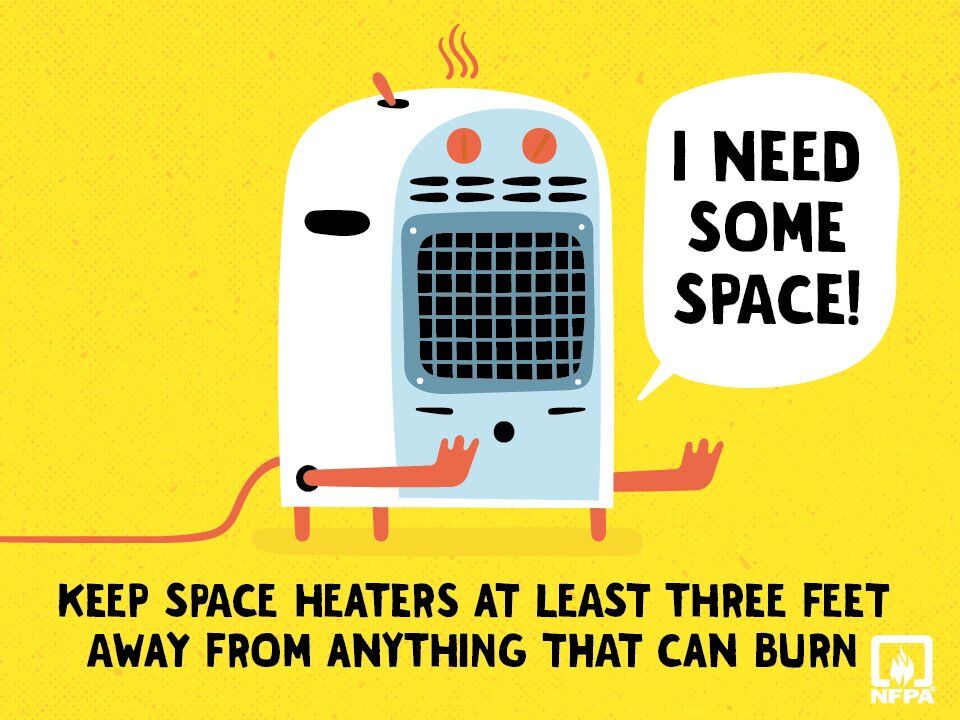
POSTERS
Websites

United States Fire Administration
The USFA provides national leadership to foster a solid foundation for our fire and emergency services stakeholders in prevention, preparedness and response.
National Fire Protection Association
The NFPA s a global nonprofit organization, established in 1896, devoted to eliminating death, injury, property and economic loss due to fire, electrical and related hazards.
Inventions
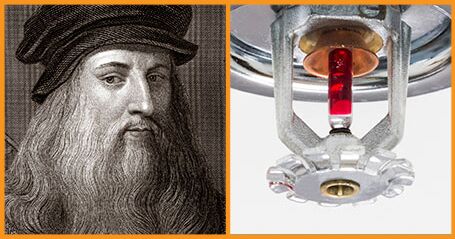
HOME SPRINKLER SYSTEM
In the 15th century, Leonardo DaVinci invented the first sprinkler system. Today, fine water mist sprinklers are used to absorb heat, reduce temperature, and suffocate fire.
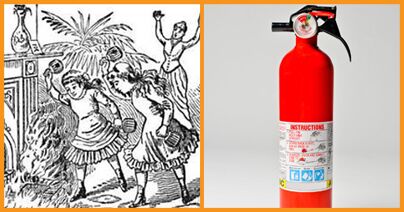
FIRE EXTINGUISHER
In 1723, Ambrose Godfrey patented the first fire extinguisher. Today, researchers are testing sound waves to separate burning fuel from oxygen.
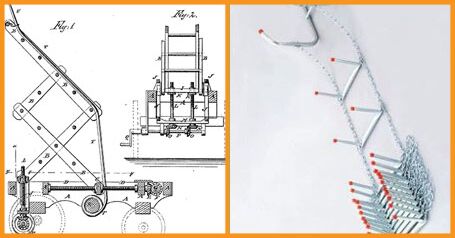
FIRE LADDER
In 1878, Joseph Winters patented the fire escape ladder. Today, home fire ladders help individuals escape from fires in multi-level homes.
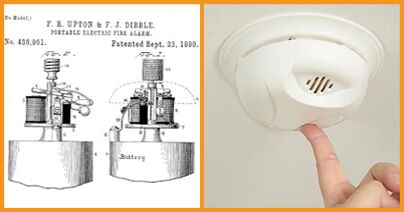
SMOKE ALARMS
In 1902, George Andrew Darby patented the first electrical heat and smoke detector. Today, smoke alarms can detect heat, smoke, and carbon monoxide.
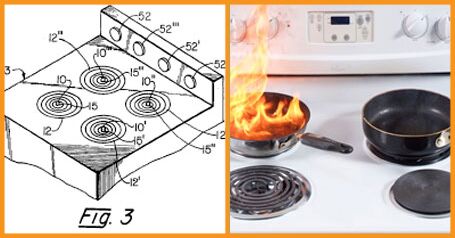
COOKING FIRE MITIGATION TECHNOLOGY
In 1984, Ralph G. Nashawaty invented a stove system that turns off the burner when a pan or kettle is removed. Today, stove systems can automatically shut off if high temperatures or no movement is detected.
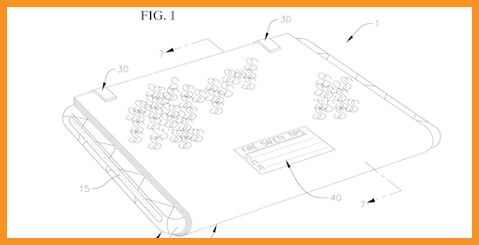
FIRE MITT
In 2016, Emma and Scott invented the Fire Mitt to suppress cooking fires and won The Paradigm Challenge Grand Prize.
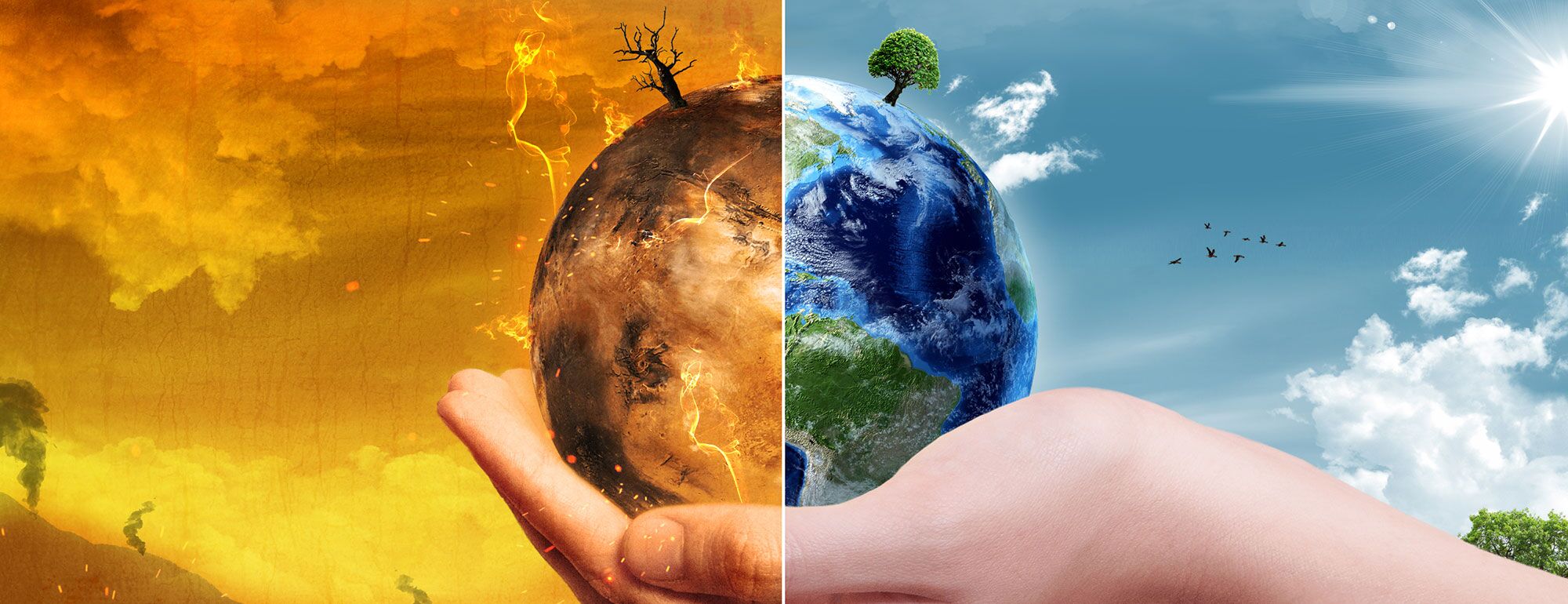
LEARN ABOUT WASTE





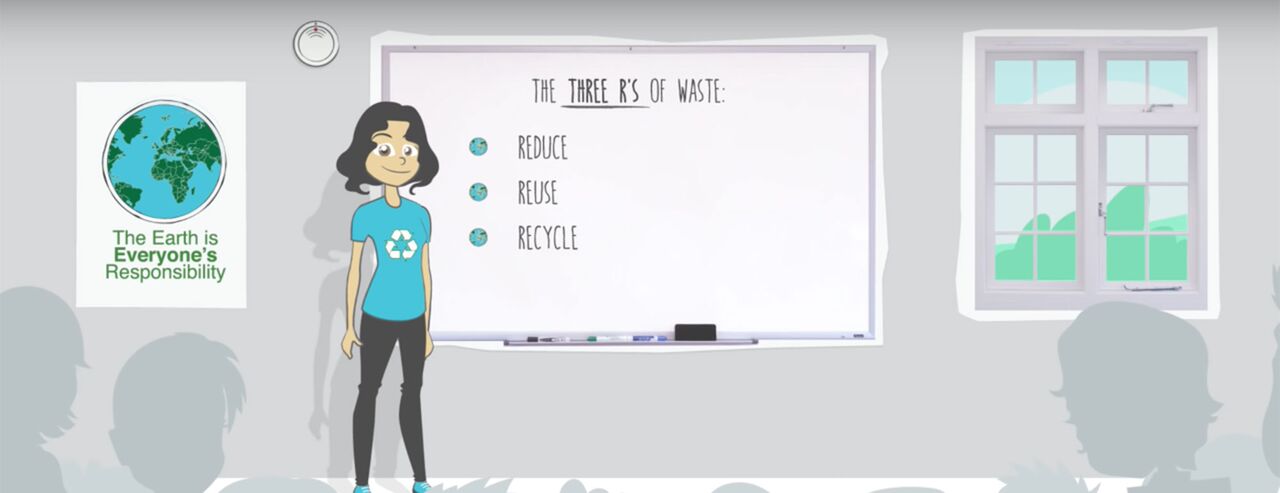

“The first step is to study the problem of waste. To get started, review the eight common types of waste and eight current strategies to preserve, protect, or restore the natural environment, natural ecosystems, vegetation, or wildlife.”
“The first step is to study the problem of waste. To get started, review the eight common types of waste and eight current strategies to preserve, protect, or restore the natural environment, natural ecosystems, vegetation, or wildlife.”
Co-Presenter Six-Steps To Solve Any Challenge
WASTE SOURCES AND CONSERVATION
CONSEQUENCES OF WASTE
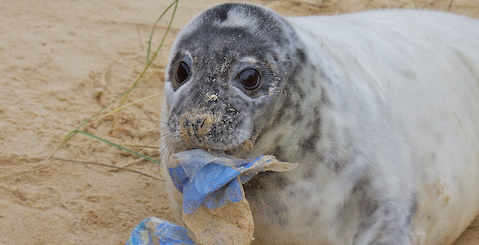
Waste causes massive harm to our planet, including increased landfills, pollution, depletion of natural resources, increased greenhouse gas emissions, and depletion of the ozone layer.
BENEFITS OF CONSERVATION
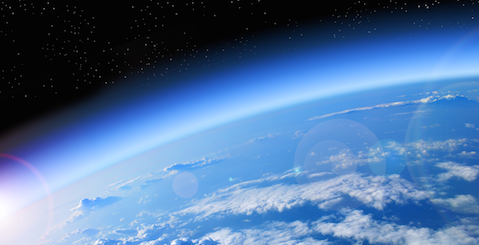
Conservation is the preservation, protection, or restoration of the natural environment, natural ecosystems, vegetation, or wildlife.
COMMON TYPES OF WASTE
More than $1,000,000,000,000 (that’s a trillion dollars!) worth of food is wasted every year. Food makes up 20% of landfill weight and is the single largest source of household waste. The methane gas released by wasted food is 21 times more powerful than carbon dioxide.
The average family of four in America uses 400 gallons of water each day and more than 95% of the water that enters the home goes down the drain. Each day, more than 7 billion gallons of fresh water is used for residential landscaping (in the U.S. alone) and 50% of that is lost to evaporation or runoff.
More than 57% of the energy in the U.S. is wasted through heat and leaks because of inefficient technology. The wasted energy includes oil, coal, natural gas, and renewables.
Each year, more than 3.4 billion pounds of electronics in the U.S. are sent to landfills or are incinerated. This includes computers, televisions, and other electronics. This E-waste contains hazardous materials like lead, mercury, and lithium.
More than 50% of the Earth’s forests have been cut down for fuel, building materials, and farming. Deforestation causes loss of biodiversity, soil erosion, and other significant environmental issues.
Hazardous waste arises from a wide range of different sources including households, commercial activities, and industry. Hazardous waste includes paint, oil, pesticides, and medical waste and can poison rivers, lakes, and oceans. Hazardous waste can also pollute drinking water and cause contamination and health risks.
Most packaging waste is not biodegradable and can last for decades in landfills, which can lead to polluted soil and drinking water. Packaging includes glass bottles, plastic containers, aluminum cans, food wrappers, timber pallets, drums, and any other materials that contain or protect goods when they are transported. Packaging waste can arise from a wide range of sources including supermarkets, retail outlets, manufacturing industries, households, hotels, hospitals, restaurants, and shipping companies.
Discarded cars and tires contain hazardous substances including antifreeze, brake fluid, oils, and rubber. These materials release toxins that pollute water, air, and soil.
CONSERVATION EFFORTS
Waste prevention is the process of using less material or products in the first place—before recycling.
Recycling is the process of converting waste materials into new materials and objects.
Preservation is the process of protecting nature from use or overuse.
Protection is the effort to conserve nature, including resources, ecosystems, and wildlife either voluntarily or through governmental regulation.
Education includes raising awareness of the problem of waste as well as teaching others how to reduce waste.
Upcyling is the process of reusing and transforming discarded objects or material for new uses.
Zero Waste is a movement that seeks to send no waste to landfills by reducing waste, reusing products and materials, and recycling what cannot be reused.
Water reclamation is the process of converting wastewater into water that can be reused for other purposes, such as irrigation for farming and even drinking water.


“After you learn about the problem of waste and how it impacts everyone, check out current efforts to reduce waste and protect the environment.To get you started, below are some examples of videos, posters, websites, inventions, public messages, and community events and educational programs.”
“After you learn about the problem of waste and how it impacts everyone, check out current efforts to reduce waste and protect the environment.To get you started, below are some examples of videos, posters, websites, inventions, public messages, and community events and educational programs.”
Co-Presenter Six-Steps To Solve Any Challenge
VIDEOS
THE STORY OF REUSE
This EPA video explains that what you're throwing away is valuable, not trash.
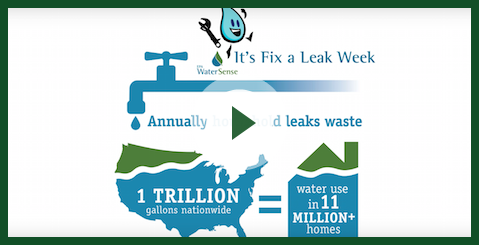
FIX A LEAK WITH WATERSENSE!
This EPA video reminds you of the steps you can take to check, twist, and replace as you save water for yourself and your community.
REDUCE WASTED FOOD THIS HOLIDAY SEASON
This EPA video shares steps to cut down your food waste.
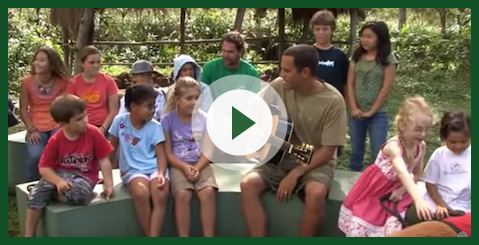
REDUCE, REUSE, RECYCLE: THE 3 R SONG
Students of Sunset Beach Elementary sing Reduce, Reuse, Recycle
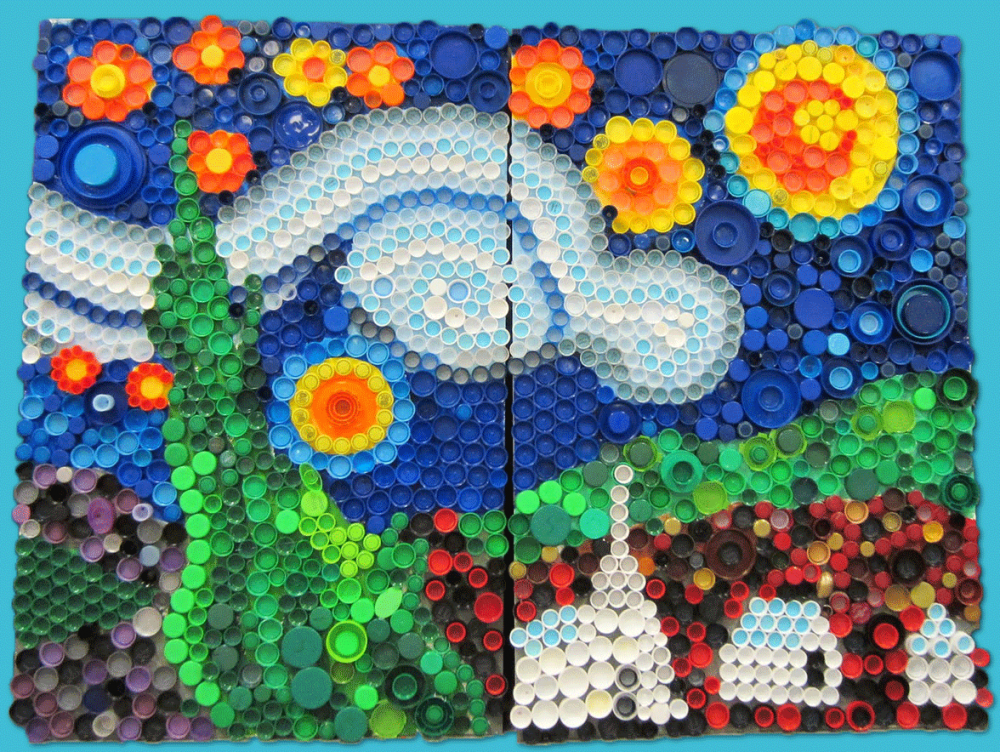
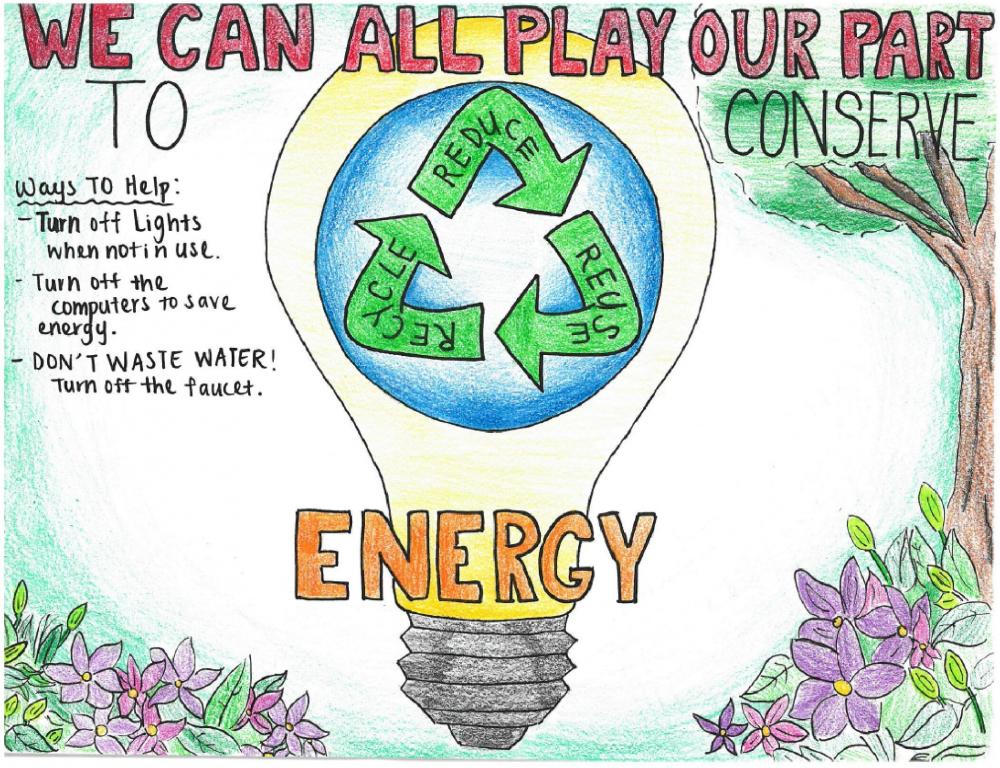
POSTERS
Websites
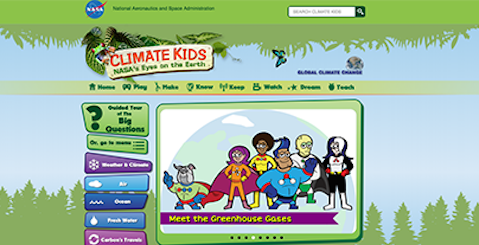
CLIMATEKIDS.NASA.GOV
This website provides answers from NASA to the big questions of what’s happening to our oceans, atmosphere, and ecosystems.
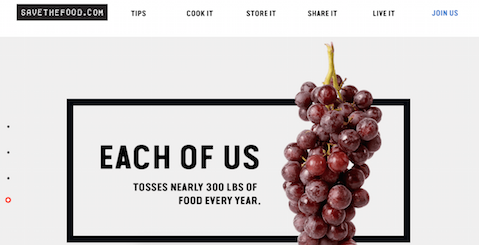
SAVETHEFOOD.COM
This website helps people understand how 40% of food in the United States is wasted.
INVENTIONS
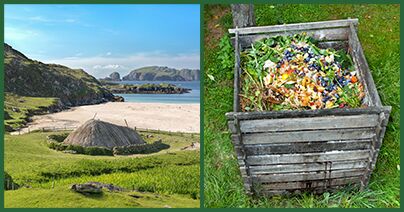
COMPOSTING
For thousands of years civilizations have composted manure, food waste, ash, and other organic material for farming. Today, worms are used to help compost.

RECYCLED PAPER
Japan is the first recorded country to reuse paper. Today, paper is re-pulped into new paper-based materials.
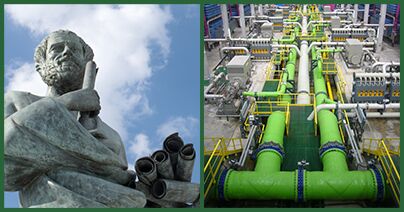
DESALINATION
Aristotle and other ancient Greeks discovered seawater could be distilled and filtered into drinking water. Today, desalination creates drinking water around the world.
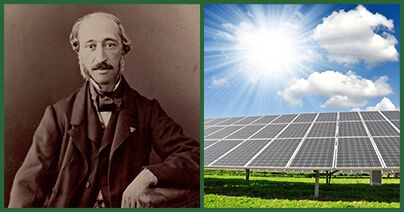
SOLAR ENERGY
In 1839, Alexandre Edmond Becquerel discovered the photovoltaic effect, which explains how sunlight can generate electricity. Today, solar energy powers heating, cooling, cooking, and other electric needs.
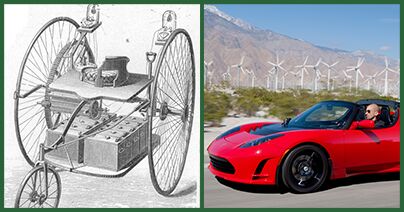
ELECTRIC CAR
In the early 1800s, Scottish inventor Robert Anderson developed the first electric carriage powered by non-rechargeable cells. Today, more than 1 million electric vehicles are in use.

SHAMPOO BALLS
In 2017, Benjamin developed NOHBO balls to replace plastic shampoo bottles and won The Paradigm Challenge Grand Prize.

LEARN ABOUT PERSONAL HEALTH





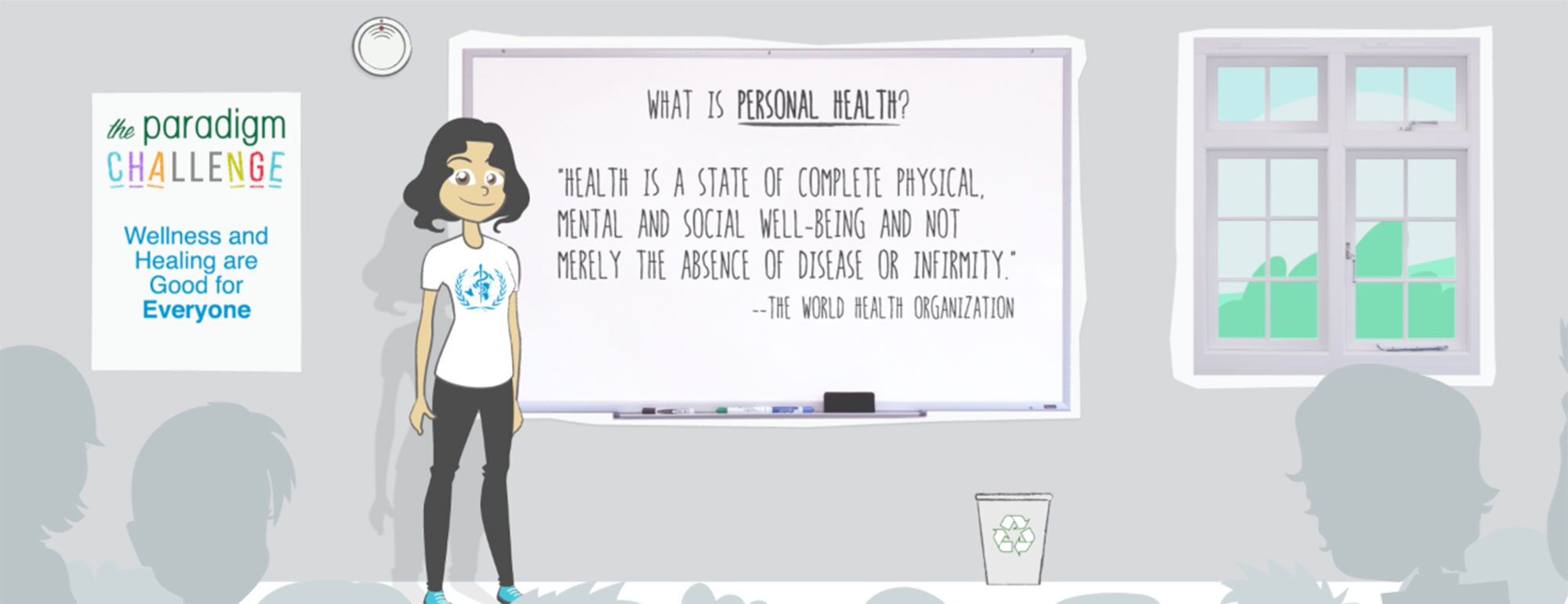

The first step is to study wellness and healing. To get started, review the eight dimensions of wellness and eight common healing needs around the world.
The first step is to study wellness and healing. To get started, review the eight dimensions of wellness and eight common healing needs around the world.
Co-Presenter Six-Steps To Solve Any Challenge
WELLNESS & HEALING ARE GOOD FOR EVERYONE

IMPORTANCE OF WELLNESS
Wellness is the process of becoming aware of and making conscious choices toward a balanced and healthy life.

Importance of Healing
Healing is the process of making or becoming healthy again through natural, medicinal, or other intervention.
DIMENSIONS OF WELLNESS
Social wellness is the process of creating and maintaining healthy relationships and contributing to your community.
Physical wellness is the process of engaging in physical activity on a daily basis.
Emotional wellness is the process of creating and maintaining a positive balance and enthusiasm about life.
Career wellness is the process of making and maintaining choices that are meaningful and that contribute to personal growth and work satisfaction.
Intellectual wellness is the process of expanding personal knowledge and skills by learning new ideas, seeking out new information, and sharing them with others.
Environmental wellness is the process of taking responsibility for the environment and creating sustainable human and ecological communities, as well as improving the quality of air, water, land, and space.
Spiritual wellness is the process of seeking meaning and purpose in human existence and establishing peace and harmony in our lives.
Financial wellness is the process of understanding your financial situation and effectively managing your income and your expenses.
COMMON HEALING NEEDS AROUND THE WORLD
Heart disease (sometimes called cardiovascular disease) describes a range of conditions that affect the heart, including blood vessel diseases, rhythm problems (arrhythmias), and congenital disorder (condition existing at or before birth). Many of the leading risk factors for heart disease are preventable, including tobacco use, unhealthy diet and obesity, insufficient exercise, excessive alcohol, and high blood pressure.
Obesity means an excess amount of body fat (usually measured by a person's weight in relation to his or her height). The primary cause for obesity is the consumption of more calories than one burns through exercise and daily activities. Less frequently, obesity is caused by medical diseases or conditions such as Prader-Willi syndrome and Cushing's syndrome. Obesity increases the risk for many other serious diseases and health conditions, including heart disease, type 2 diabetes, and high blood pressure.
Cancer refers to a large number of diseases characterized by the development of abnormal cells that divide uncontrollably and have the ability to infiltrate and destroy normal tissue throughout the body. Common causes of cancer include smoking and tobacco, obesity and lack of exercise, excessive alcohol, sun and other types of radiation, viruses and other infections, carcinogens, chronic inflammation, and genetic pre-disposition.
A stroke occurs when the blood supply to part of the brain is interrupted or severely reduced, depriving brain tissue of oxygen and nutrients. Types of strokes include blood clots (ischemic stroke), temporary blood clots (transient ischemic attacks), and bleeding in the brain (hemorrhagic stroke). The leading causes of stroke include high blood pressure, heart disease, and high cholesterol.
Diabetes is a disease in which blood glucose (or blood sugar) is too high either because insulin production is inadequate (Type 1) or the body does not properly use the insulin it produces (Type 2). Diabetes can cause heart disease, stroke, and damage to eyes, kidneys, and nerves. The leading causes of diabetes include genetics, obesity, and physical inactivity.
Alzheimer's disease is a progressive brain disorder that destroys memory and thinking skills, and eventually the ability to carry out simple tasks. Alzheimer's is the most common form of dementia. Doctors currently do not yet know exactly what causes Alzheimer's disease, but some believe that it is a combination of environmental, genetic, and lifestyle factors.
Infectious diseases are caused by microorganisms such as viruses, bacteria, fungi or parasites and can directly or indirectly spread between individuals. Examples of infectious diseases include malaria (a disease spread by insects), tuberculosis (a disease spread through the air), and salmonella (a foodborne illness).
Access to personal health services impacts wellness and healing. Each person's access depends on individual decisions, the environment, geography, education, income, genetics, and social factors.


“After you learn about wellness and healing, observe current efforts to improve personal health. Below are some examples of videos, posters, websites, inventions, public messages, and community events and educational programs.”
“After you learn about wellness and healing, observe current efforts to improve personal health. Below are some examples of videos, posters, websites, inventions, public messages, and community events and educational programs.”
Co-Presenter Six-Steps To Solve Any Challenge
VIDEOS
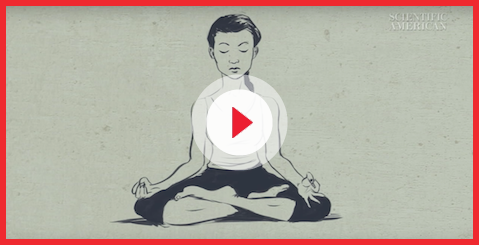
Meditation
This Scientific American video explains that meditation can positively change the brain.

Stress
This TED-Ed video explains what happens to the body when it continuously experiences stress.
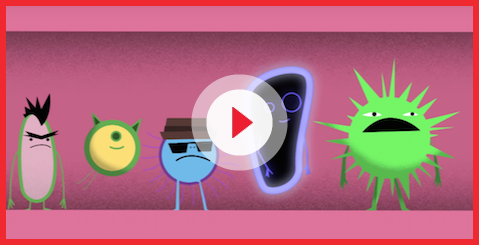
Antibiotic Resistance
This TED-Ed video explains how harmful bacteria can mutate and resist medicine.
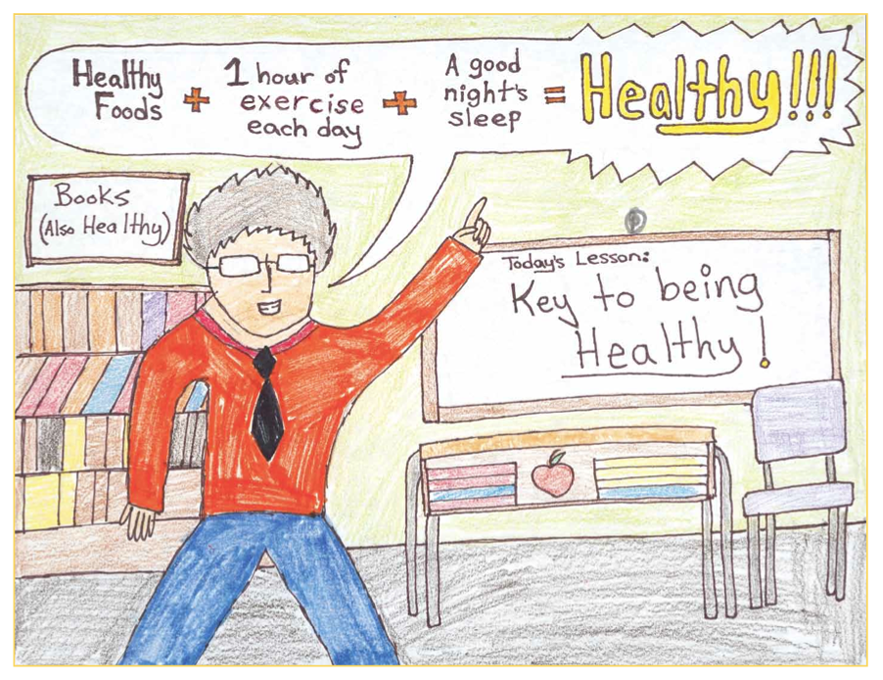
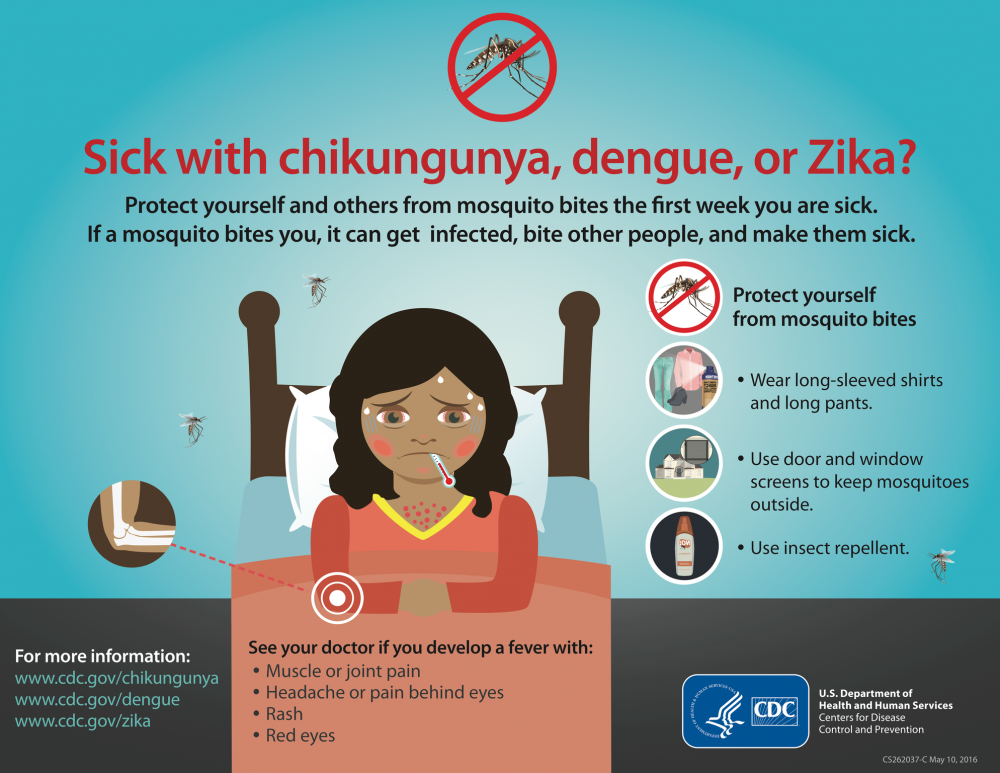
POSTERS
Websites
World Health Organization
This website provides health updates and information from around the world.
CDC
This website provides information to protect against health, safety, and security threats.
INVENTIONS

EYEGLASSES
Rounded glass and colored gems were used in ancient Rome to read and block the sun. Salvino D'Armate is often credited as creating the first eyeglasses for reading in about 1286. Today, eyeglasses like Google Glass are used to improve medical services.
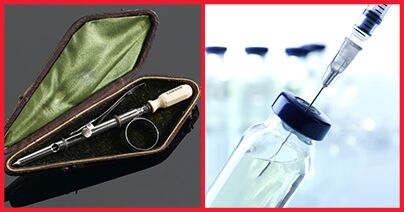
Syringe
Francis Rynd developed the first syringe with a hollow needle in 1844 to deliver fluids intravenously in the body. Today, “smart syringes” are used to prevent the spread of infectious diseases and to enhance safety.
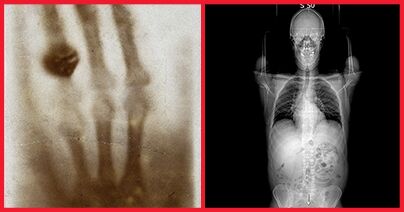
X-Rays
Wilhelm Conrad Roentgen discovered x-rays in 1895, which quickly advanced medical technology. Today, x-rays have been improved to show soft tissues — including all of the body’s major organ systems.
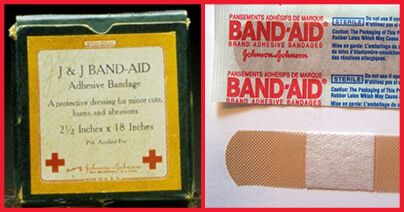
Band Aid
The Band-Aid was invented in 1920 by Thomas Anderson and Earle Dickson as an easy way to cover cuts and burns. Today, Band Aids have been improved with breathable material that flexes with you and stays on even when wet.
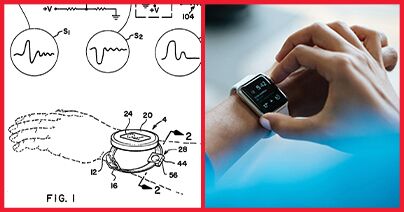
Wearable Fitness Technology
Edward Price and Lewis Rasmussen invented the wearable heart rate monitor in 1980 as a way to easily measure heart rate while mobile.

TETHYS
In 2018, Gitanjali invented a device that tests for lead contamination in water and won The Paradigm Challenge Grand Prize.

LEARN ABOUT OUR FOOD SYSTEM





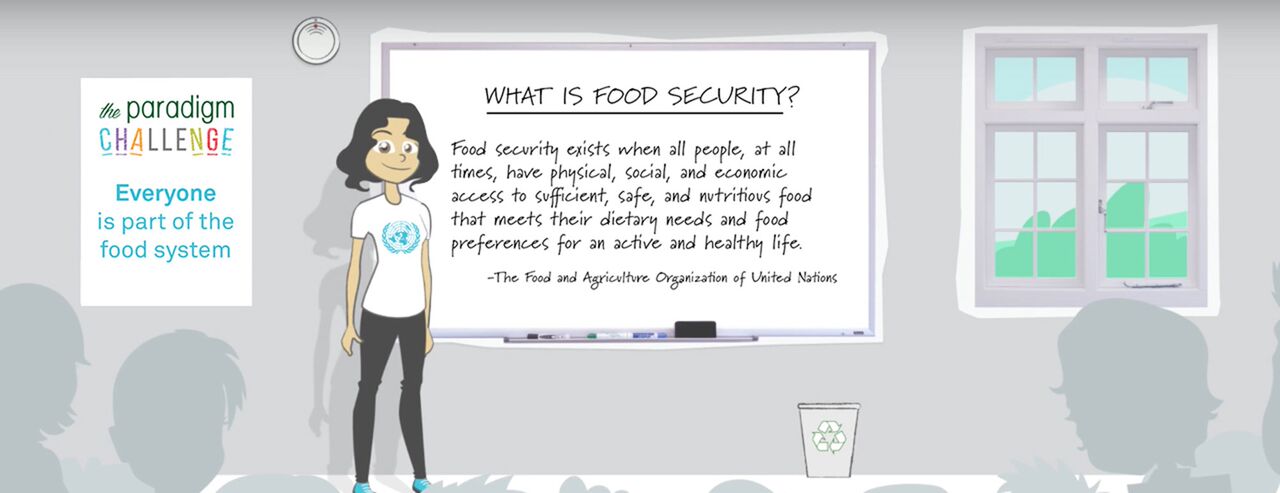

“The first step is to study our food system. To get started, review the eight elements of our current food system and eight current strategies to improve food security.”
“The first step is to study our food system. To get started, review the eight elements of our current food system and eight current strategies to improve food security.”
Co-Presenter Six-Steps To Solve Any Challenge
EVERYONE IS PART OF THE FOOD SYSTEM
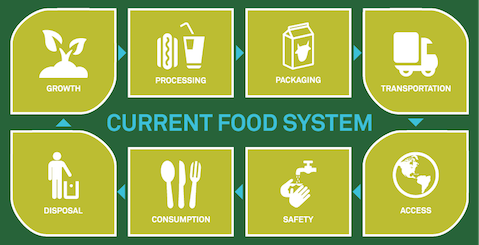
CURRENT FOOD SYSTEM
Our traditional food system maximizes food growth at the lowest possible cost, but does not yet provide access to safe, nutritious, and sustainable food for everyone.
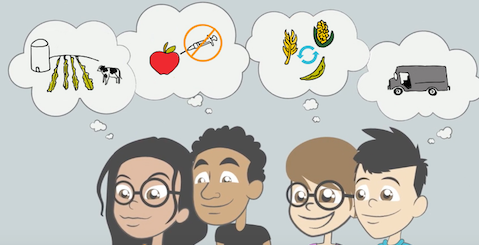
POTENTIAL IMPROVEMENTS
Strategic improvements can ensure that all people, at all times, have the physical, social, and economic ability to meet their dietary needs for an active and healthy life.
ELEMENTS OF CURRENT FOOD SYSTEM
The goal of traditional food growth is to produce the highest crop yield at the lowest monetary cost. Unfortunately, traditional agriculture often requires a significant amount of chemicals and energy. According to the United States Department of Agriculture, traditional food growth alters the natural environment, deteriorates soil quality, and eliminates biodiversity.
Processed food is any food that has been altered in some way during preparation. Examples include bread, cereals, sodas, meat, and cheese. Although not all processed foods are unhealthy, some contain high levels of salt, sugar, and fat, which enhance the visual appeal of the food and allow for a longer shelf life. These and other processing additives can negatively impact your health.
Some methods of food preservation are known to create carcinogens. In 2015, the International Agency for Research on Cancer of the World Health Organization classified processed meat, i.e., meat that has undergone salting, curing, fermenting, and smoking, as carcinogenic to humans.
Food packaging is designed to contain, protect, and display food contents. Some types of packaging materials are non-biodegradable, such as styrofoam and plastics, and can overflow landfills. Other types of food packaging contain chemicals such as BPAs (bisphenol A) that may be harmful to our health.
Food is transported around the world in order to meet global demand. Food transportation requires oil and other fossil fuels and is estimated to account for nearly 50% of carbon emissions, which contribute to ozone depletion and global warming.
People need physical, social, and economic access to safe and nutritious food that meets their dietary needs and food preferences.
Improper handling can spread harmful bacteria that cannot be seen, smelled, or tasted.
Food consumption includes the types of food we eat, how much we eat, and the quality of what we eat. What we eat may be determined by availability, taste, and other factors, such as allergies. How much we eat may be determined by factors such as availability, cost, and behavior. The quality of what we eat may be determined by how our foods are grown and prepared.
Approximately 30% of global food production is wasted. This includes food that is disposed where it is grown because it does not meet visual retail standards, food that is disposed based on age, and food that is disposed simply because too much was placed on one’s plate.
STRATEGIES TO IMPROVE FOOD SECURITY
Sustainable agriculture benefits the environment by maintaining soil quality, reducing soil degradation and erosion, and saving water. Many conventional farms rely on chemical fertilizers to enhance the soil’s nutrients, but sustainable practices utilize crop rotations and natural animal manure to keep the soil healthy.
Food treated with antibiotics and pesticides can cause health problems. Organic farmers do not use antibiotics or synthetic fertilizers or pesticides, and produce.
Reduced processing includes minimizing the use of artificial preservatives and chemicals and using natural techniques such as canning, freezing, and drying. Alternative food processing techniques include the use of technology, including thermal and non-thermal methods.
Lightweighting is the process of redesigning product packaging to use less material or more sustainable material.
Buying locally-grown food dramatically shortens the amount of travel and energy needed to get from the farm to one’s plate. Community-supported agriculture, commonly referred to as a CSA model, is a growing social movement that connects the producer and consumers within the food system more closely by allowing consumers to subscribe to the harvest of a certain farm or group of farms.
Safe food handling includes proper food preparation, cooking, and storage.
Food access is about more than just whether there are grocery stores in a community. It also has to do with whether households can afford to purchase food—and affordability is closely related to rates of employment and job quality. Local strategies include farmers’ markets, mobile produce vendors, farm-to-school initiatives, food hubs and other community-based methods for selling local food. Global strategies include encouraging climate-smart farming techniques and restoring degraded farmland, improving storage and supply chains for reducing food losses, and micro loans to support community agriculture.
Good nutrition is an important part of leading a healthy lifestyle. Combined with physical activity, diet can help one to reach and maintain a healthy weight, reduce the risk of chronic diseases (like heart disease and cancer), and promote overall health.
Waste management systems like composting can limit the amount of food waste in landfills, enrich soil for future planting, and contribute to the soil’s drought resistance. While food discarded in landfills emits methane gas from being packed too tightly, healthy compost emits carbon dioxide into the air and promotes healthy plant life as well as acting as a natural fertilizer.

“After you learn about conventional and alternative food systems, observe current efforts to improve global food security. Below are some examples of videos, posters, websites, inventions, public messages, and community events and educational programs.”
“After you learn about conventional and alternative food systems, observe current efforts to improve global food security. Below are some examples of videos, posters, websites, inventions, public messages, and community events and educational programs.”
Co-Presenter Six-Steps To Solve Any Challenge
VIDEOS
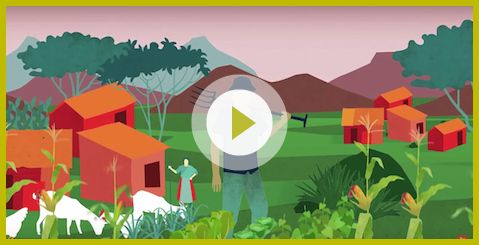
CLIMATE SMART AGRICULTURE
This United Nations Food and Agriculture Organization video explains how to achieve sustainable agriculture in a changing climate.
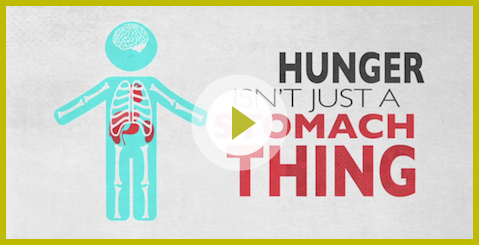
THE EFFECTS OF MALNUTRITION
This video explains how malnutrition can negatively affect the human body.
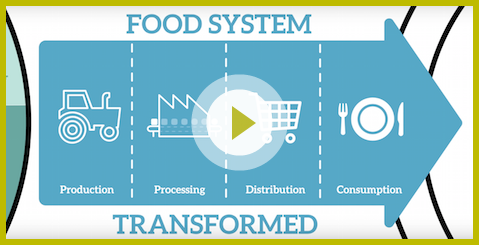
WHY WE NEED TO CHANGE OUR FOOD SYSTEM
This United Nations video explains the growing need to change our food system.
WHAT IS FOOD INSECURITY?
This video explains what food (in)security is, and why it is important.
POSTERS
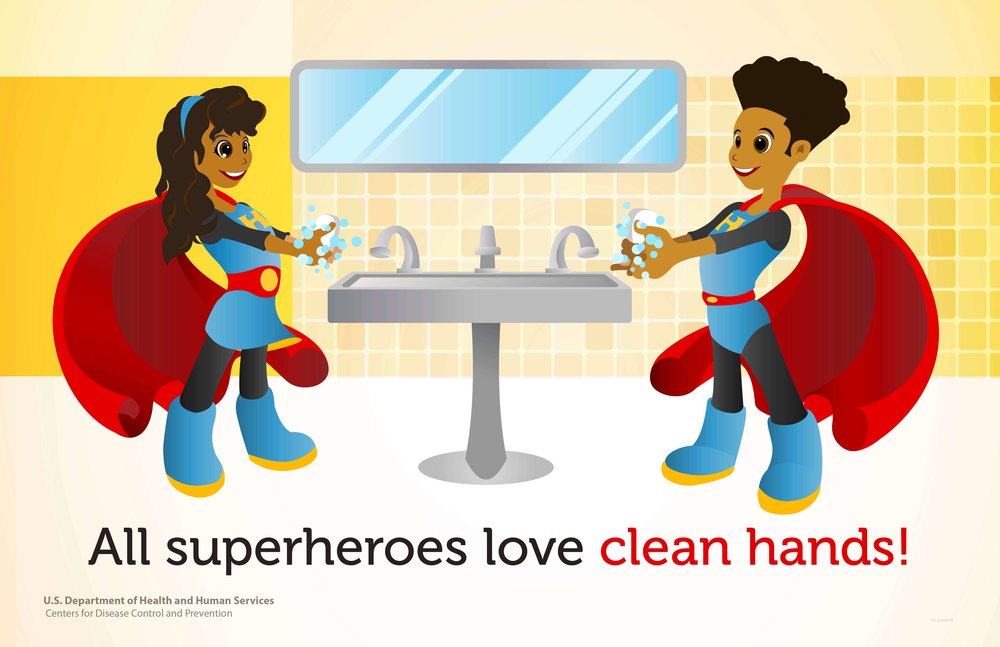
SUPERHEROES LOVE CLEAN HANDS
This Centers for Disease Control poster reminds us that everyone should wash their hands before eating.
Websites
FOOD AND AGRICULTURE ORGANIZATION
The United Nations Food and Agriculture Organization aims to achieve food security for all and make sure that people have regular access to enough high-quality food to lead active, healthy lives.
DEPARTMENT OF AGRICULTURE
The United States Department of Agriculture provides leadership on food, agriculture, natural resources, rural development, nutrition, and related issues based on public policy, the best available science, and effective management.
INVENTIONS
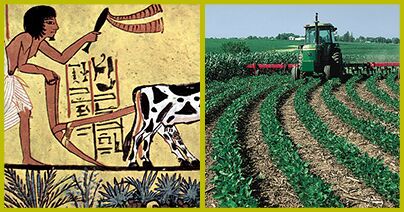
AGRICULTURE
Agriculture is the system of growing plants and raising animals as food sources. The earliest recorded agriculture was in the Middle East between 8500 and 7000 BC. Today, community supported agriculture (CSA) offers a way for consumers of produce to support local farmers and play a role in producing the food they eat.
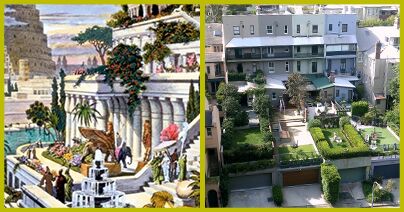
ROOFTOP GARDEN
The first known rooftop gardens were built between 4,000–600 BC in ancient Mesopotamia. Today, home gardens are visually pleasing, produce food, and help the environment.
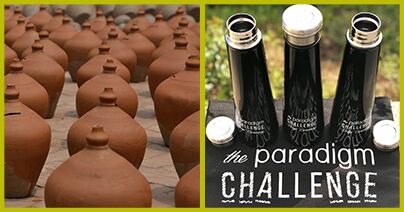
BOTTLED WATER
Natural spring water was first bottled and sold in 1621 in Holy Well, England. Today, reusable water bottles help reduce waste.
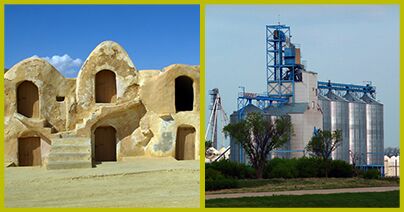
GRAIN SILO
The Greek term “silo” means “pit for holding grain.” Silos were first used in the late 8th century BC. The first modern silo was built in 1873 by Fred Hatch in Illinois and is still used today.

REFRIGERATOR
The first recorded use of ice to store food was by Chinese farmers around 1000 BC. Electric refrigerators were first introduced in New York in 1870. Today, smart refrigerators track food quantity and expiration, generate shopping lists, and even play music.
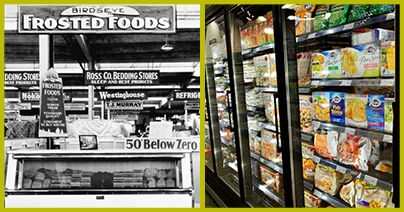
FROZEN FOOD
In 1923, Clarence Birdseye developed a method for quick-freezing food products after observing the Inuit people of Antarctica freeze and store fresh fish. Today, freezer technology can detect when food items are reaching their expiration dates.
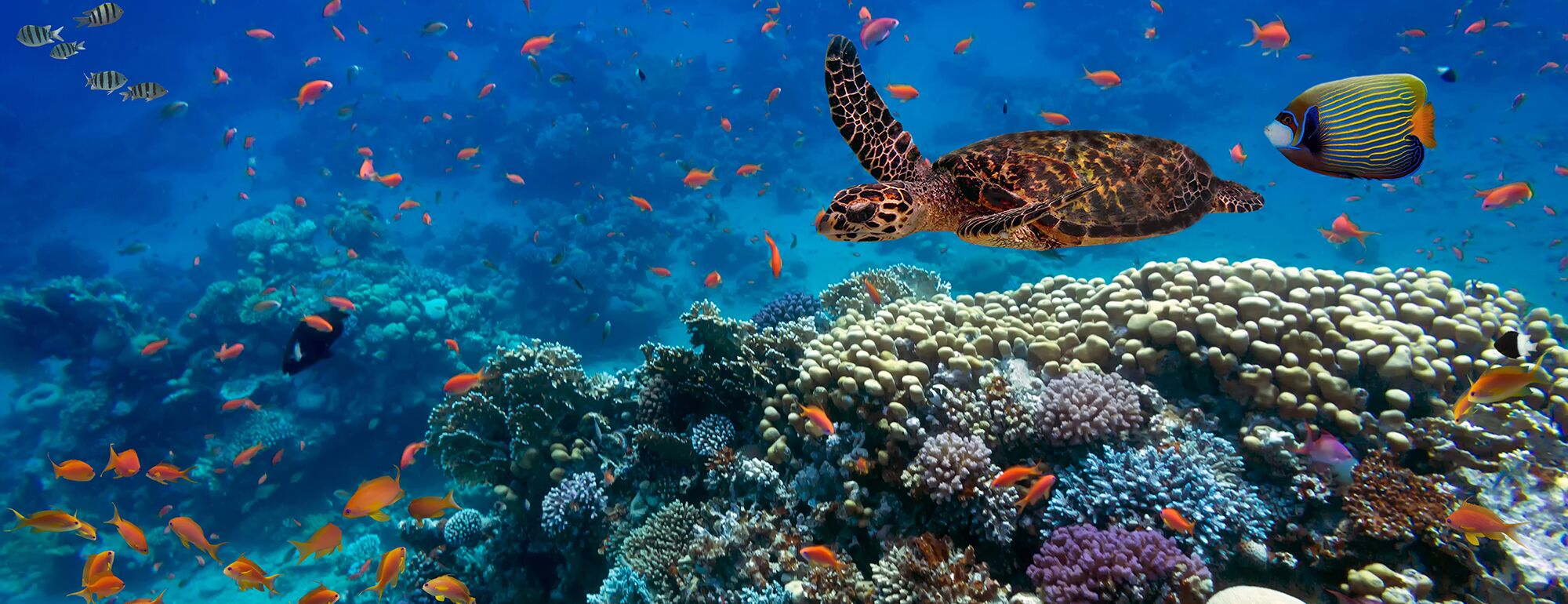
LEARN ABOUT BIODIVERSITY



“Biodiversity is the variety of life on Earth, including plants, animals and microorganisms, as well as the ecosystems of which they are part. Biodiversity is currently being lost at unprecedented rates due to human activities that degrade or encroach on habitats, increase pollution, and contribute to climate change.”
“Biodiversity is the variety of life on Earth, including plants, animals and microorganisms, as well as the ecosystems of which they are part. Biodiversity is currently being lost at unprecedented rates due to human activities that degrade or encroach on habitats, increase pollution, and contribute to climate change.”
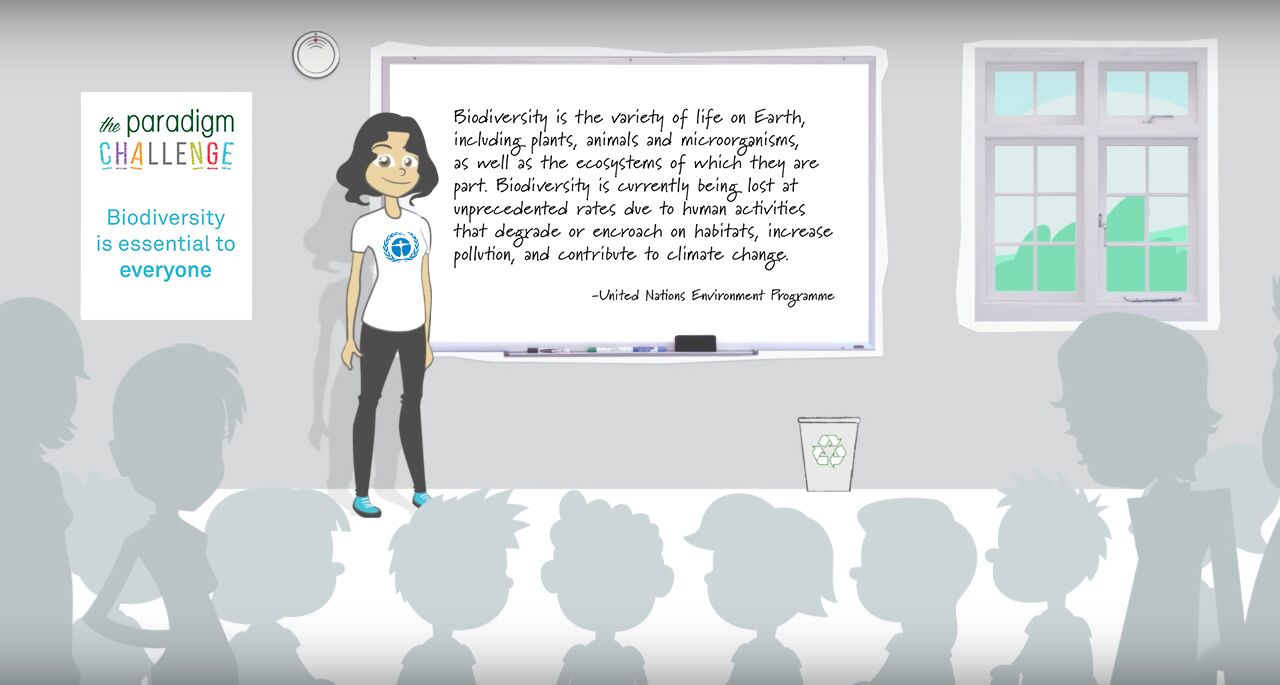

“The first step is to study the problem of global biodiversity loss. To get started, review the eight primary threats to biodiversity and eight current strategies to restore biodiversity around the world.”
“The first step is to study the problem of global biodiversity loss. To get started, review the eight primary threats to biodiversity and eight current strategies to restore biodiversity around the world.”
Co-Presenter Six-Steps To Solve Any Challenge
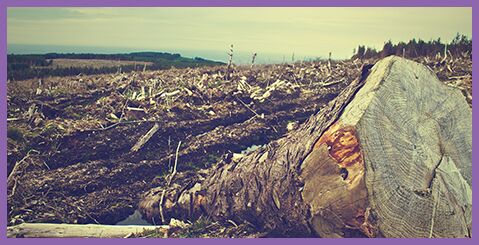
DESTRUCTION OF ECOSYSTEMS
Degradation and destruction of ecosystems creates safety risks for people, plants, animals, and other organisms.
RESTORATION EFFORTS
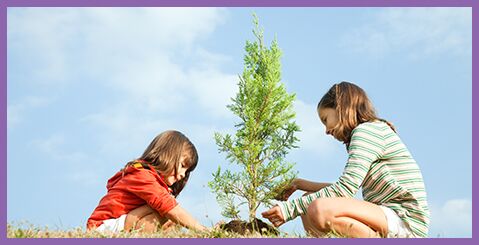
The restoration of biodiversity creates stronger and more resilient ecosystems.
LEADING THREATS TO BIODIVERSITY
Global warming refers to the rise in temperature and change in climate around the world. Climate change can confuse species that rely on temperature signals that trigger seasonal events such as migration and reproduction. Global warming can cause seasonal events to happen at the wrong time, which can disrupt the synchronicity of plant and wildlife ecosystems. Global warming also can cause species extinction.
Species exploitation refers to the unsustainable hunting, poaching, and harvesting practices that directly or indirectly harm plants, animals, and other organisms. For example, according to the National Science Foundation, the overhunting of elephants in Thailand has reduced the number of elephants in the region and led to the extinction of the Miliusa beech tree because less elephants were available to disperse the tree’s seeds.
Species extinction occurs when environmental forces, evolutionary changes, or human actions reduce the total number of a species to zero. Scientists estimate that 99% of all the species that have lived on Earth are now extinct. According to the World Wide Fund for Nature, vertebrate species (birds, reptiles, amphibians, fish, and mammals) across the globe have declined 60% since 1970.
An invasive species is a species introduced by humans – intentionally or accidentally – outside of its natural past or present distribution. According to the International Union for Conservation of Nature, invasive species are a major cause of biodiversity loss: the second most common threat associated with species that have gone completely extinct and the most common threat associated with extinction of amphibians, reptiles, and mammals.
Eutrophication refers to the increase of nutrients in rivers and lakes that cause algal blooms and low-oxygen (hypoxic) waters that can kill fish and seagrass and reduce essential fish habitats. According to the National Oceanic and Atmospheric Administration, the primary causes of eutrophication are nitrogen and phosphorus from fertilizer runoff and atmospheric fossil fuel fallout.
Soil is the upper-layer of the Earth where plants grow and organisms inhabit. According to the Worldwide Fund For Nature, 50% of the topsoil on the planet has been lost in the last 150 years. This loss has led to desertification, reduced opportunity to grow food for animals and humans, and increased soil runoff into waterways that harms waterlife.
Habitat destruction is the displacement or elimination of the natural place where plants, animals and other organisms live. According to National Geographic, 80% of the plants and land animals live in forests. Although forests cover about 30% of the Earth, human actions destroy 36 football fields’ worth of trees every minute, according to Conservation International. As a result, those habitats are displaced or destroyed and are no longer capable of supporting plants and wildlife.
Fragmentation is the division of a natural habitat into smaller pieces or the isolation of a habitat from others by natural and human causes. The fragmented habitats may not be large enough to support the species. One study showed that habitat fragmentation reduces biodiversity by 13% to 75%.
RESTORATION EFFORTS
Individuals can limit the negative consequences of global warming by reducing their carbon footprint. A carbon footprint is the total greenhouse gas emissions caused directly and indirectly during every stage of a product or service’s lifetime. Many of our daily activities, such as using electricity, driving a car, consuming food, or disposing waste, cause greenhouse gas emissions. Together these emissions make up a carbon footprint. You can reduce your carbon footprint by increasing your use of sustainable products and services and limiting your use of unsustainable products or services.
Sustainable harvesting, fishing, and hunting, as well as adjustments to diet, are the primary ways to conserve plant and wildlife species.
At-risk species may be protected through legislation, sanctuaries, and awareness. Legislation such as the United States Endangered Species Act and Canada’s Species at Risk Act identify species at risk of extinction and critical habitats and provide a framework for conserving and protecting wildlife. Sanctuaries, like those identified by The Global Federation of Animal Sanctuaries, attempt to recreate an animal’s native habitat in order to create a safe and healthy environment to help restore the animal physically and emotionally. Awareness is critical to protecting at-risk species, whether plant or wildlife. All ecosystems are interconnected and understanding how plants, wildlife, and other living organisms exist together in balance will help inform solutions whenever a threat arises.
The primary way to stop an invasive species from establishing itself outside of its natural habitat is through prevention. The Nature Conservancy provides the following actions to prevent the spread of invasive species: research and verify that the plant or animal that you want to buy or adopt is non-invasive; when traveling, hiking, or boating, thoroughly clean your clothing and vehicle to remove weed seeds, pests, and pathogens; do not release aquarium fish, plants, live bait, or other exotic animals into the wild; and educate others about the threat of invasive species to biodiversity.
Riparian buffers are vegetated areas with native trees, shrubs, and grasses beside rivers and streams that prevent pollution and water contamination by blocking and filtering sediment, nutrients, pesticides, and other materials in surface runoff. According to the United States National Resources Conservation Service, riparian buffers are especially useful near farms where nutrients from fertilizers may run off into rivers and lakes.
Soil restoration is the process of increasing organic matter, vegetation, and native plants to improve the quality of soil. According to the United States Department of Agriculture, compost improves soil structure, aeration, water retention, drainage, and nutrient quality, and planting native plants and vegetation with deep roots increases organic matter content and biological life.
Individuals, households, and communities can conserve and restore habitats by planting native species, engaging in sustainable landscaping, and, where natural habitats are not possible, building artificial habitats like bird boxes.
Biodiversity parks and marine protection areas conserve, manage, and protect a wide variety of habitats, including prairie, tundra, ocean, mountains, forest, desert, rivers, islands, reefs, mangroves, and coastal wetlands. The parks and protection areas restore native species and ecosystems, control invasive species and pests, and monitor the wildlife within.


“After you learn about threats to biodiversity, check out current efforts to conserve, protect, and restore biodiversity. To get you started, below are some examples of videos, posters, websites, inventions, public messages, and community events and educational programs.”
“After you learn about threats to biodiversity, check out current efforts to conserve, protect, and restore biodiversity. To get you started, below are some examples of videos, posters, websites, inventions, public messages, and community events and educational programs.”
Co-Presenter Six Steps To Solve Any Challenge
Videos

WHY IS BIODIVERSITY SO IMPORTANT?
This TED-ed video shows what makes one ecosystem strong and another weak in the face of change.
LEARNING TO PROTECT BIODIVERSITY
This UNESCO video shows how education can help us better understand the value of biodiversity and the causes of biodiversity loss.
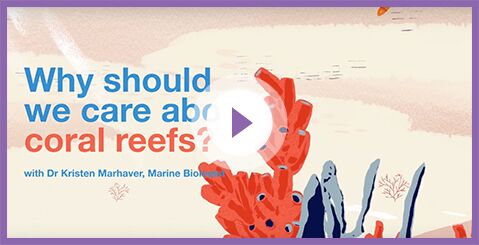
WHY SHOULD WE CARE ABOUT CORAL REEFS?
This World Economic Forum video explains why coral reefs matter and what actions we need to take to protect their ecosystems.
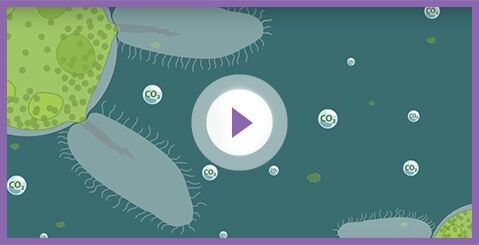
WHAT IS EUTROPHICATION?
This National Oceanic and Atmospheric Administration video explains how pollution in rivers, lakes, and oceans reduces biodiversity.
Posters
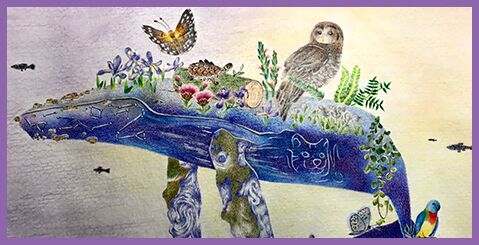
ENDANGERED SPECIES
In this drawing by 9th grader Erin D., “all these species are as one, to symbolize that even though each species is different, they are all still part of the same earth and need to be protected.
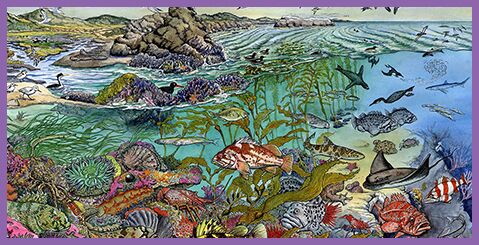
MARINE PROTECTED AREAS
This poster by the California Department of Fish and Wildlife shows species and habitats that benefit from California’s Marine Protected Areas.
Websites
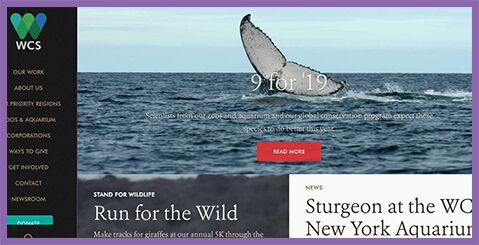
WILDLIFE CONSERVATION SOCIETY
The Wildlife Conservation Society’s goal is to conserve the world's largest wild places in 16 priority regions, home to more than 50% of the planet's biodiversity.
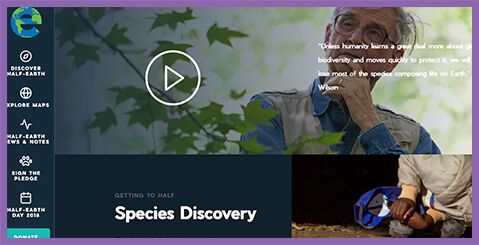
THE HALF-EARTH PROJECT
This website explains the importance of biodiversity and steps everyone can take to restore biodiversity around the world.
Inventions
WATER DENITRIFICATION
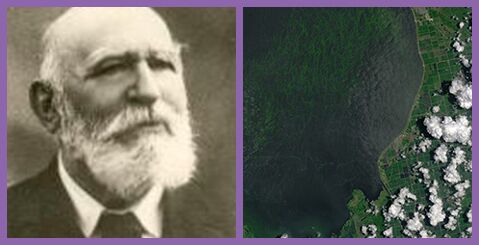
In 1886, Léonard-Ulysse Gayon and Auguste-Gabriel Dupetit officially discovered the process of denitrification after isolating two strains of denitrifiers. Recently, Caroline Nolan invented a living filter bag inoculated with Pleurotus ostreatus mushroom spores to cut nitrogen and phosphorus levels in water to reduce toxic algae blooms and save waterlife.
WILDLIFE HABITATS
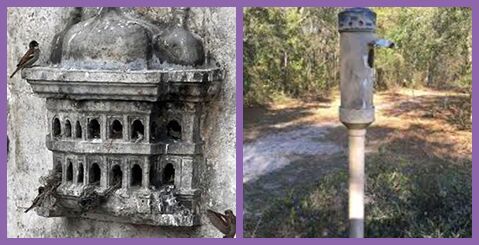
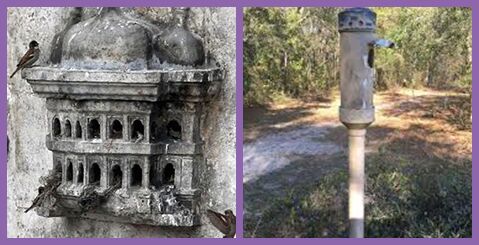
In 15th century Turkey, bird houses were built into homes to provide shelter for birds. In 2017, Steve Barlow patented the idea of the nesting post, a device that fits on top of a utility marker pole and provides shelter for birds where trees are not available.
ANIMAL HEALTH
In 1825 BCE, the first documented veterinary procedures were performed in ancient Egypt. Today, doctors are using chemotherapy to battle tumors that threaten to cause the extinction of the Tasmanian devil.
SOIL PRESERVATION
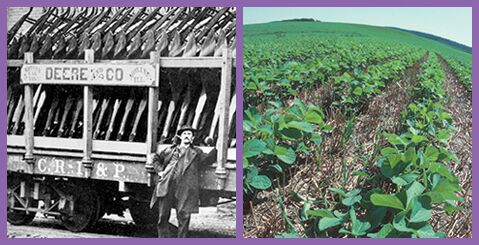
In 1837, John Deere invented the steel plow, a tool to break-up soil while burying weeds and the remains of previous crops. In 1943, Edward Faulkner developed the idea of no-till farming, which minimizes soil disturbance in order to increase the amount of water in soil, increase the amount and variety of life in and on the soil, and decrease soil erosion.
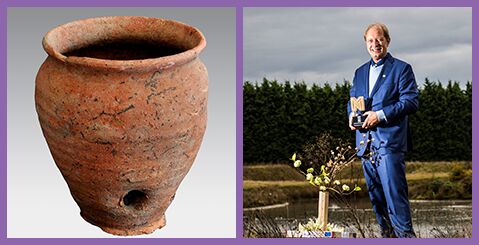
TREE PROPAGATION
In ancient Rome, ollae perforatae pots containing holes for drainage and aeration were used to transport and plant trees, vines, and shrubs. In 2003, Pieter Hoff developed the Waterboxx® plant cocoon, an innovative device to reforest areas that have lost trees due to deforestation, soil erosion, and drought.
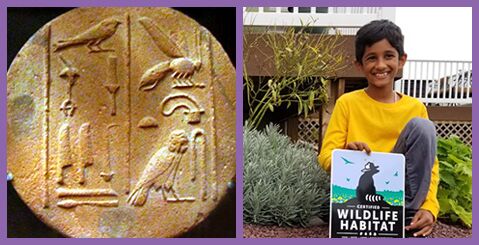
POLLINATOR PROTECTION
the first method of protected migratory beekeeping to transport bees along the Nile River to make honey and pollinate plants. In 2016, eight-year-old Kedar invented an app to help people create gardens to promote and protect pollinator health and their environments.